

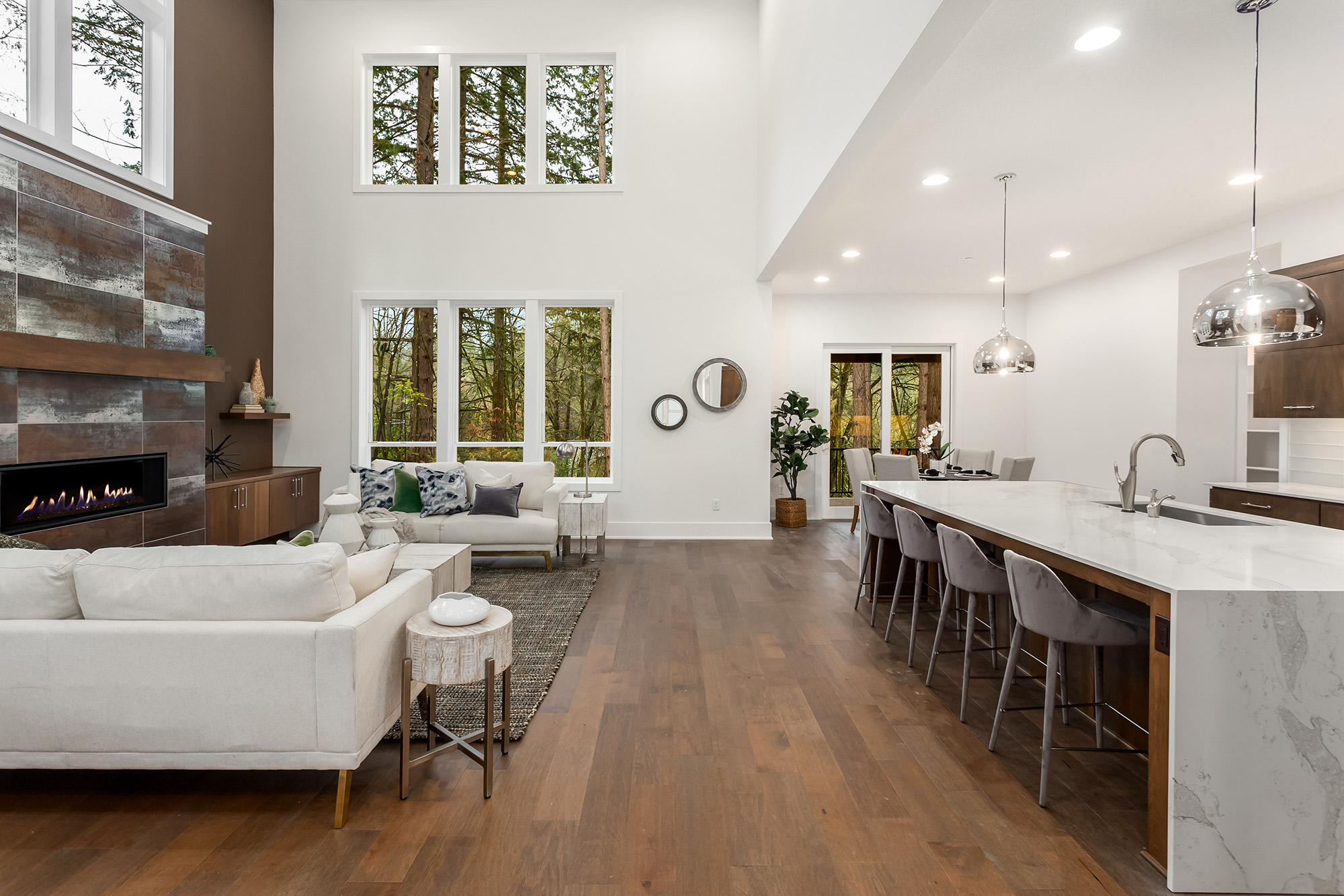
When your home has beautiful architectural details, your flooring can do more than provide a durable surface. The right hardwood can help draw attention to features such as fireplaces, staircases, exposed beams, built in shelving, and detailed trim. If you are planning a flooring update, you can use Dilley’s Wood Flooring hardwood flooring to create a foundation that complements the details that make your home unique.
Before choosing a color or finish, take a look at the features you want to emphasize. You may already have a striking fireplace, a wide staircase, or architectural trim that gives your rooms character. Your flooring should support these elements rather than compete with them. A carefully selected hardwood style can bring the different details together and make the entire room feel more intentional.
Use Flooring to Draw Attention to a Fireplace
A fireplace can naturally become the focal point of a living room. You can reinforce that focal point by choosing hardwood flooring with a color and grain that complements the surrounding materials. For example, a warm wood tone can work well with natural stone or traditional brick, while a more subtle finish can help a decorative mantel remain the primary feature.
Complement Detailed Staircases
If your home has an eye catching staircase, the flooring around it can help create a seamless transition. Matching or coordinating hardwood tones between the main floor and staircase can make the space feel connected. You can also consider the direction of the boards so the flooring naturally guides the eye toward the staircase without making the area feel visually busy.
Highlight Exposed Beams and Wood Details
Exposed beams, wood paneling, and built in shelving can give a room considerable visual character. If you have several natural wood elements, choosing flooring with a complementary tone can create balance. You do not necessarily need an exact match. Slight differences in wood tones can add depth while still allowing the architectural features to stand out.
Work With Trim and Architectural Details
Baseboards, crown molding, doors, and window trim can influence how your flooring looks once everything is together. When you compare hardwood options, consider the existing finishes in your room. A flooring color that works beautifully on its own may look different beside darker trim or lighter painted details. Looking at samples alongside your existing features can help you make a more confident decision.
Let the Flooring Support Your Overall Design
Your hardwood flooring does not have to be the most noticeable element in the room. In many cases, it works best when it creates a consistent foundation that allows your home's architectural details to receive attention. If you are considering refinishing existing hardwood rather than replacing it, you can also explore Dilley’s Wood Flooring hardwood refinishing to see how a renewed finish may complement the features already present in your home.
Consider the Entire Room Before Choosing
When you are selecting hardwood, look at the complete space rather than focusing only on the flooring sample. Consider your walls, lighting, furniture, trim, doors, and architectural features together. This approach can help you choose a hardwood style that feels connected to the room and enhances the details you already enjoy.
Create a Foundation That Fits Your Home
The right hardwood flooring can quietly enhance the architectural character of your Connecticut home. Whether you want to emphasize a fireplace, staircase, exposed beams, or detailed trim, thoughtful flooring choices can help these features feel more cohesive within the space. With the right combination of wood style, color, finish, and installation direction, you can create a floor that supports your home's character for years to come.
If you are exploring hardwood flooring options for your home, contact Dilley’s Wood Flooring to discuss your project and find an option that fits your space.


