

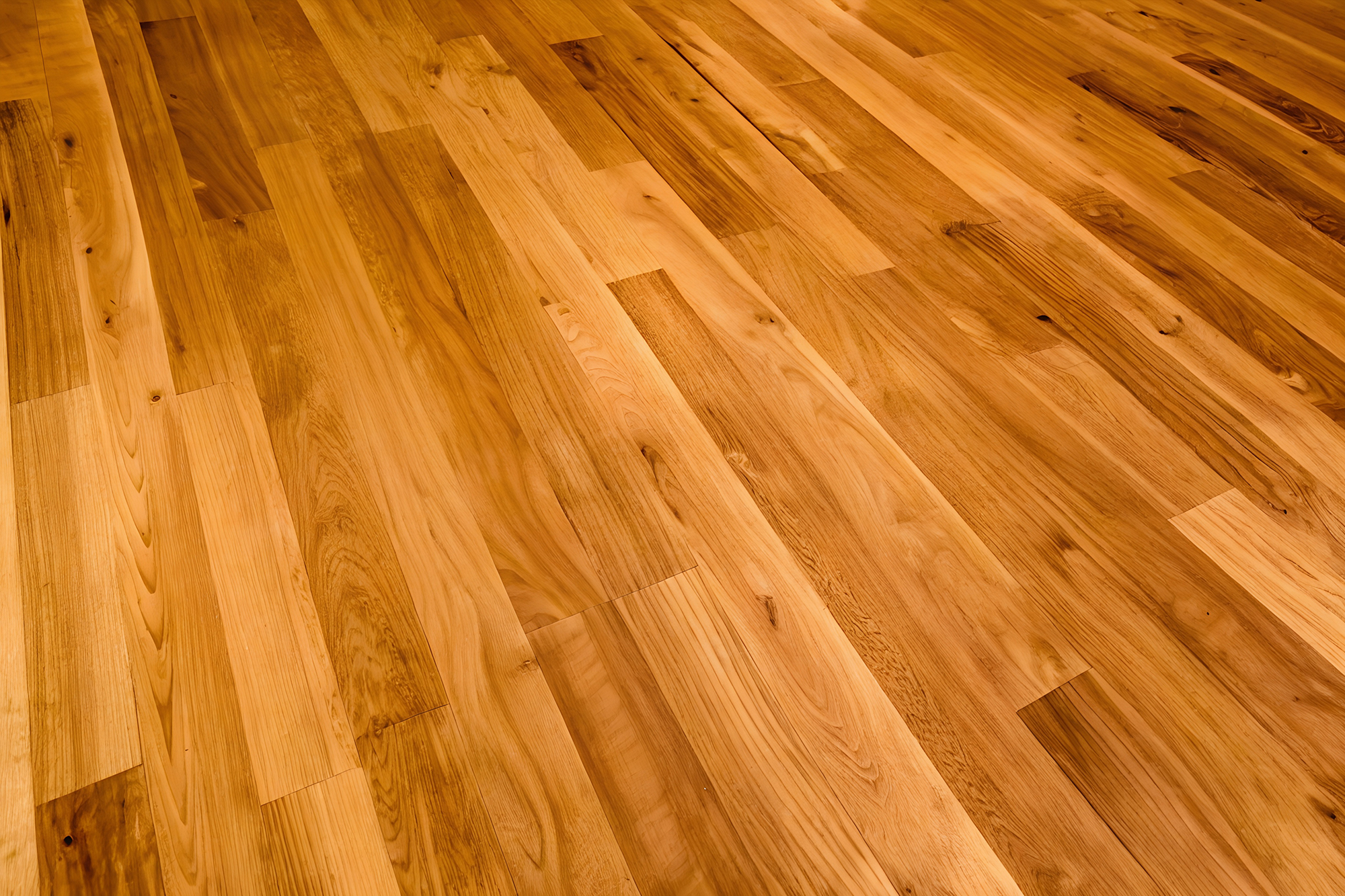
When choosing hardwood flooring, the wood species you select can make a significant difference to the finished result. Each species has its own grain patterns, natural color variations, texture, and physical characteristics. Understanding these differences helps you choose a floor that complements your interior while meeting your expectations for everyday use.
If you are exploring options for your home, start by browsing hardwood flooring at Dilley’s Wood Flooring and Supplies. Comparing the natural characteristics of different wood species can help you narrow down your choices before deciding on a particular style or finish.
Oak for a Versatile and Recognizable Wood Grain
Oak is a popular hardwood flooring choice because of its distinctive grain and range of natural tones. Red oak generally has warmer, slightly reddish undertones, while white oak often features more neutral and subtle brown tones. Both offer noticeable grain patterns that can add character to your rooms.
If you want flooring that works with a variety of interior styles, oak is worth considering. Its natural appearance can complement traditional spaces as well as more contemporary interiors, depending on the stain and finish you choose.
Maple for a Subtle and Consistent Appearance
If you prefer a cleaner look with less prominent grain variation, maple may suit your preferences. It typically has a lighter natural appearance and a relatively subtle grain pattern. This makes it an appealing option when you want your flooring to provide a calm foundation without drawing too much attention.
Maple is also known for its hardness, making it a consideration for areas that experience regular household activity. Its lighter appearance can work particularly well in interiors where you want a bright and uncluttered atmosphere.
Hickory for Distinctive Natural Character
Hickory offers a more pronounced appearance, with noticeable differences in color and grain between individual boards. If you enjoy flooring with natural variation rather than a uniform look, this species can add plenty of visual interest to your space.
Its hardness also makes hickory a practical option to discuss when selecting flooring for active households. The natural variation can help give your floors a distinctive appearance that does not look overly uniform.
Cherry for Richness and Warmth
Cherry hardwood is recognized for its smooth grain and warm reddish brown tones. One interesting characteristic is that its color can deepen with exposure to light over time. This gradual change gives cherry flooring a developing appearance as your interior ages.
If you are considering cherry, remember that its natural characteristics and color changes should be part of your decision. You may want to compare samples in your home's lighting before selecting it.
Consider More Than Appearance
Although color and grain are important, you should also consider hardness, maintenance expectations, and how you use each room. Different wood species respond differently to everyday wear, so the best choice depends on your household's needs as well as your design preferences.
You should also think about the long term care your floor may require. If you already have hardwood flooring and want to restore its appearance, exploring hardwood refinishing services can help you understand whether renewing the existing surface is an option.
Choose a Hardwood Species That Suits Your Home
Every hardwood species brings something different to your interior. From the familiar grain of oak to the subtle appearance of maple and the distinctive variation of hickory, understanding these differences helps you make a more informed flooring decision. By comparing appearance, durability, and maintenance requirements, you can find an option that suits your home in Southbury or elsewhere in Connecticut.
Ready to explore hardwood flooring for your home? Contact Dilley’s Wood Flooring and Supplies to discuss your project and find a hardwood option that fits your needs.


