

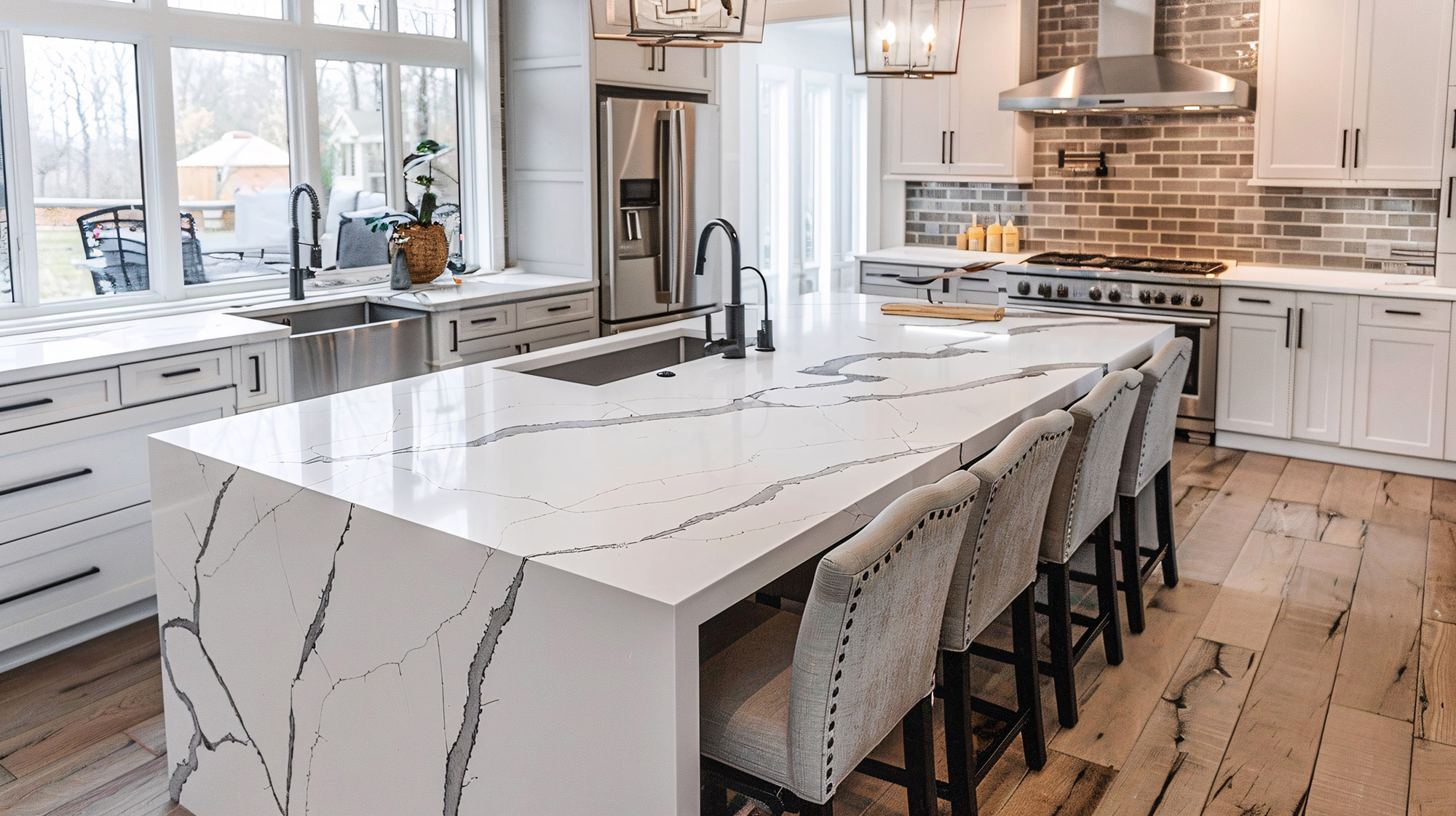
Your kitchen brings together several important design elements, including cabinets, countertops, appliances, and flooring. When you choose hardwood flooring, the color you select can influence how these features work together. Whether you are updating an existing kitchen or planning a larger renovation, coordinating your floor with your cabinets and countertops can help you create a space that feels balanced and inviting.
Before choosing a shade, explore the hardwood flooring options at Dilley’s Wood Flooring and Supplies. Consider the colors and finishes already present in your kitchen, then look for hardwood that complements those details rather than competing with them.
Pair Light Hardwood With Dark Cabinets
If your kitchen has dark brown, navy, or charcoal cabinets, lighter hardwood flooring can create an appealing contrast. Natural oak and other light wood tones can help balance darker cabinetry while keeping the room from feeling visually heavy. This combination can be especially useful when you want your cabinets to stand out without making the entire kitchen feel dark.
However, you should also consider your countertops and wall color. A light floor, dark cabinets, and a bright countertop can create a clear visual balance when the undertones work well together.
Combine Warm Wood Tones With Neutral Countertops
Warm hardwood colors can complement countertops in cream, beige, and other soft neutral shades. This combination creates a welcoming atmosphere without requiring every surface to match exactly. If your kitchen features warm toned cabinets, look for flooring that shares similar undertones to create a more cohesive appearance.
You do not need to choose identical wood colors for your cabinets and floors. In fact, introducing some contrast can help each surface retain its own character. Focus on complementary tones and textures instead of trying to create a perfect match.
Choose Flooring That Works With Gray Cabinets
Gray cabinets can work with several hardwood colors, depending on the look you want. Light natural wood can soften cool gray finishes, while medium brown flooring can introduce warmth and make the kitchen feel more grounded. If your cabinets have blue or cool undertones, compare flooring samples carefully so the combination does not feel disconnected.
Your countertop also matters. White and gray stone inspired surfaces may suit cooler wood tones, while warmer counters can work well with natural brown hardwood.
Consider the Size and Lighting of Your Kitchen
The amount of natural light in your kitchen can affect how hardwood flooring appears. In a smaller kitchen with limited daylight, lighter flooring may help create a more open impression. Larger kitchens with generous windows can accommodate deeper wood tones without necessarily making the space feel enclosed.
Artificial lighting also changes the way colors appear. Before making your decision, examine flooring samples near your cabinets and countertops at different times of day. This gives you a better idea of how the finished kitchen may look in everyday conditions.
Coordinate Your Flooring With the Entire Design
Your flooring should work with more than just your cabinets. Consider the kitchen island, backsplash, appliances, dining furniture, and any connected living areas. If your kitchen opens into another room, choosing hardwood that complements the surrounding interior can help create a natural transition.
If your existing hardwood needs attention rather than replacement, you can also explore hardwood floor refinishing services to learn whether renewing the current finish may suit your renovation plans.
Create a Kitchen That Feels Cohesive
Choosing the right hardwood flooring color comes down to understanding how different finishes, undertones, and lighting conditions work together. By comparing samples with your cabinets and countertops, you can make a more confident choice that supports your preferred kitchen style.
If you are considering hardwood flooring for your kitchen or another room, contact Dilley’s Wood Flooring and Supplies to discuss your project and explore flooring options for your Connecticut home.


